
How it actually got started.
SEO tools show where a competitor stands today. Tracetify shows how it got there — first mentions, launch timeline, and which of their moves you can still copy.
Start with one we've already traced
Real reports, public and free to read. Every number links back to where it came from.
Base44 was acquired by Wix for $80 million — 6 months after it first surfaced
~250k organic traffic
Photo AI surpassed $100K in Monthly Recurring Revenue (MRR)
~23.3k organic traffic
ranks #4 for “hailuo ai” · 550k searches/mo
~727.9k organic traffic
Search interest hit its all-time high in November 2024
~944k organic traffic
Higgsfield finalized a $130 million Series A funding round at a $1.3 billion valuation
~2.9M organic traffic
Search interest hit its all-time high in February 2023
~225.5k organic traffic
ElevenLabs raised $500m in Series D funding led by Sequoia
~6M organic traffic
Creatify closed a $15.5 million Series A funding round co-led by WndrCo and Kindred Ventures
~156k organic traffic
Gamma raised $68M in a Series B round at a $2.1B valuation
~2.7M organic traffic
Know before you build
A year of building deserves an hour of research. See how the last winner in your niche got its first users: where it surfaced, how long that took, and what happened next.

Evidence, not opinions
No guru threads, no survivorship bias. Every line in a report links to a dated public source you can open and check yourself. Anything we could not verify stayed out.
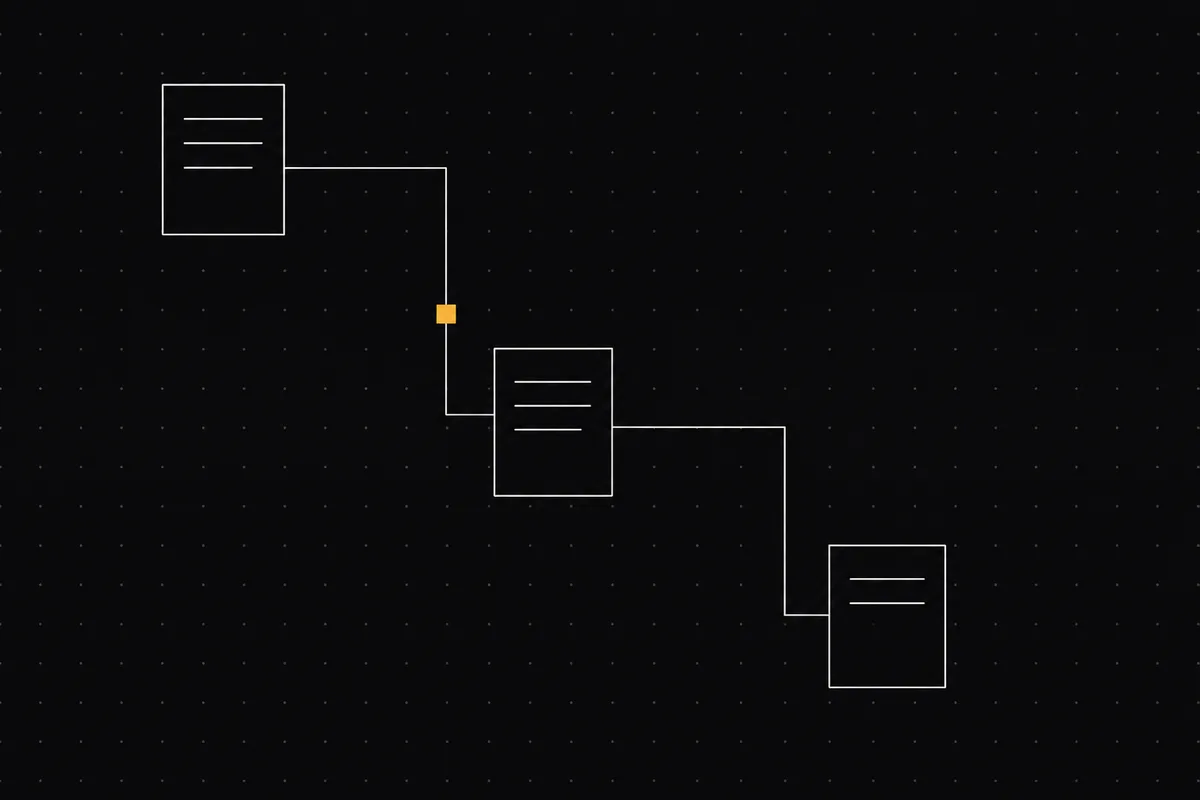
Leave with a plan, not a summary
Every report ends with three moves you could start this week, each traced back to a dated event in their timeline rather than to their traffic today. What they did at 500 visitors is copyable. What they do at 500K is not.
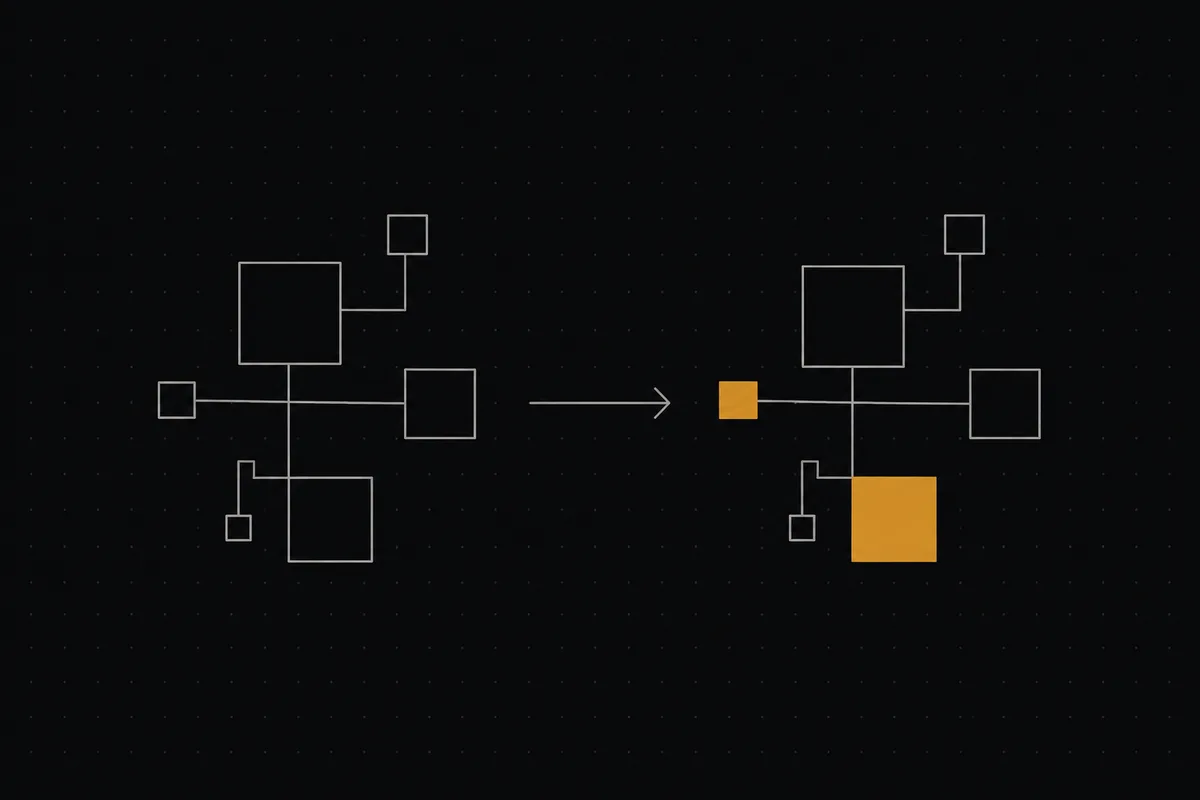
Research any competitor
The same balance that runs traces also answers the smaller questions: what a domain ranks for, who links to it, and how AI search cites a brand. And once you've sized a rival up, you don't have to keep checking back — we watch their site and email you the day they ship something new.
watch your first competitor free →Watch your own site
Connect Search Console for free and see the queries you already rank for. Run an audit on your own pages — we run ours through the same pipeline, and that's the real output on the right.
Or let the agent do the digging
Ask a question in plain English. The agent decides what to research — your Search Console, an audit, a competitor — shows every step with its cost, and answers with citations.
meet the seo agent →One balance — traces, tools, and the agent
- ✓every existing report, free to read
- ✓try a trace before signing up
- ✓monitor 1 competitor, weekly digest
- ✓no card, no password — just email
- ✓150 credits, never expire
- ✓5 full analyses (trace + timeline + verdict)
- ✓$3.98 per full analysis
- ✓works across every dashboard tool
- ✓usable from Claude Code, Cursor & Codex — via MCP
- ✓100 credits every month — unused ones stay
- ✓works across every tool — site and editor
- ✓an SEO agent on your own data
- ✓5 competitors monitored daily
- ✓unlimited traces, timeline & verdict unlocks on the site
- ✓fair use applies
The same balance, inside your editor.
Search and read existing growth reports free from Claude Code, Cursor or Codex — fresh traces and unlocks bill the same credits the site uses.
$ claude mcp add tracetify -e TRACETIFY_API_KEY=ttfy_... -- npx -y tracetify-mcpQuestions, answered
Anything else — support@tracetify.com
Where does the data come from?
Twelve sources per trace: a backlink index covering 100+ billion links, SimilarWeb traffic estimates, Hacker News and Reddit archives, the Wayback Machine, Google Trends, SERP rankings across 8 markets, ad libraries, and Stripe-verified revenue where the founder has connected it. Every line in a report links to the page it came from.
How accurate is it?
We only show what we can verify, and every claim links to its source so you can check it yourself. When a source fails or a site blocks us, the report says so instead of guessing. The verdict states its confidence level and names the data that would change it.
What counts as a full analysis?
Three actions: the trace itself (12 sources, about 45 seconds), unlocking the full timeline with its evidence, and the verdict. Each costs 10 credits, so the complete picture of one competitor is 30.
What do the dashboard tools cost?
A competitor list or a keyword volume check is 2 credits; a domain overview or a backlink lookup is 3 each; a site audit is 3; and a brand lookup is 12. Every tool shows its price before you run it, and a cached result costs nothing — you only ever pay for a fresh query. Competitors and domain overviews share their data both ways, so whichever you run first covers the other.
How does the SEO agent charge?
Before you send a message, the composer shows the ceiling for that run — the most it can possibly cost — split into model use and paid research. You are charged for what the run actually uses, which is normally well under that ceiling. Querying your own connected data, such as Search Console, is free, and so is reusing research the agent has already paid for. If a paid step fails, its credits come back.
What happens to my Search Console data?
The connection is read-only. What we import stays private to your account — it powers your dashboard and the agent's answers, nothing else. Disconnect whenever you like and the imported data is deleted with it.
Do credits expire?
No. Buy them once, use them whenever. If you subscribe to the top Unlimited tier, any credits you already own are frozen — untouched — and resume working the moment your subscription ends.
How do the subscription tiers differ?
Every tier unlocks the SEO agent — that is the one thing a subscription adds. The dashboard research tools run on credits, so any balance reaches them. The tier decides how many credits arrive each month, and unused credits roll over instead of expiring. The top tier adds unlimited traces, timeline unlocks and verdicts on the site, on top of its monthly credits, within the fair-use cap.
Are reports public?
The data layer is public: anyone can read a report that has already been traced. What you pay to unlock stays yours. Other visitors see the paywall on the full timeline and the verdict, not your purchases.
Do reports go stale?
A report is a snapshot from the moment it was traced. Reading an existing report is always free; re-running it with fresh data costs 10 credits, and the updated report replaces the old one for everyone.
What happens if a trace fails?
Your credits come back automatically. Same for the verdict: if the analysis does not complete, you are refunded in full.
How is this different from SimilarWeb or Ahrefs?
Those tools show where a product stands today. Tracetify reconstructs how it got there: the first mention, the quiet weeks, the directory wave, the launch spike. Every step is dated and sourced.
Can't I just ask ChatGPT this?
You can, and for famous products it will tell you a plausible story. The problem is that the story comes from training data, so it covers the handful of companies everyone already writes about, it cannot see anything launched recently, and it gives you no dated source to check. Tracetify reads live public records and links every claim to one.
What do I actually do with a report?
Each verdict ends with three moves, and every move names the dated event it came from plus a rough cost. They come from the launch period rather than from current traffic, because what a product does at 500K visits a month is rarely something you can copy from zero. What it did at 500 usually is.
What does fair use mean on Unlimited?
Unlimited covers normal human use: up to 30 fresh traces per calendar day. Unlocks and verdicts are never capped, and reading existing reports doesn't count. The cap exists to keep scripted abuse from ruining it for everyone. Unlimited covers using the site; API and MCP runs always bill credits per call.
Can I trace any website?
Any domain works. For very large sites (100k+ backlinks) we skip first-mention archaeology, since backlink indexes only reach so far back, and sample authority links instead. The report tells you when that happens. On Unlimited, fair use allows 30 fresh traces a day.
45 seconds, 12 sources, and every claim links to where it came from.